


Details description |
|---|
|
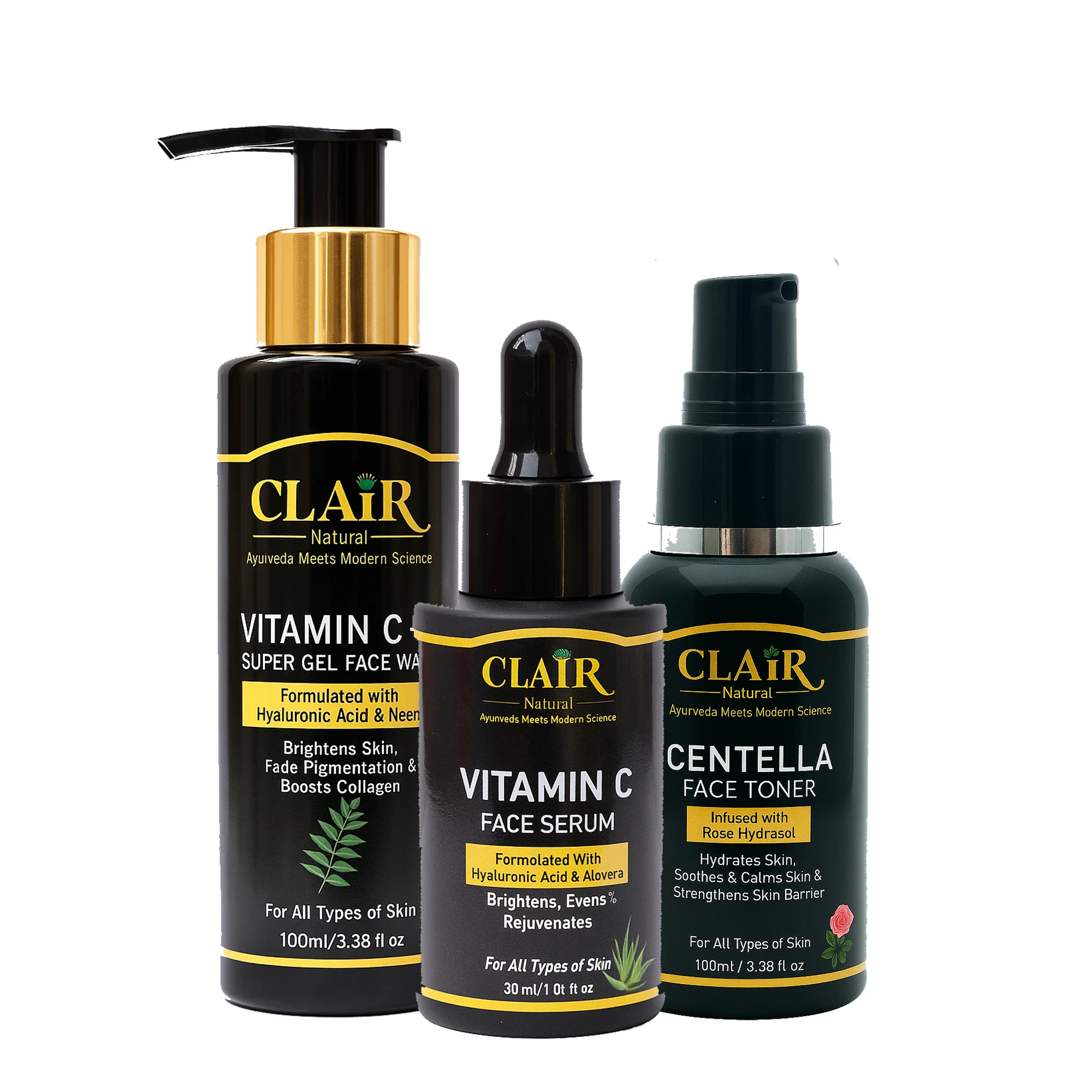
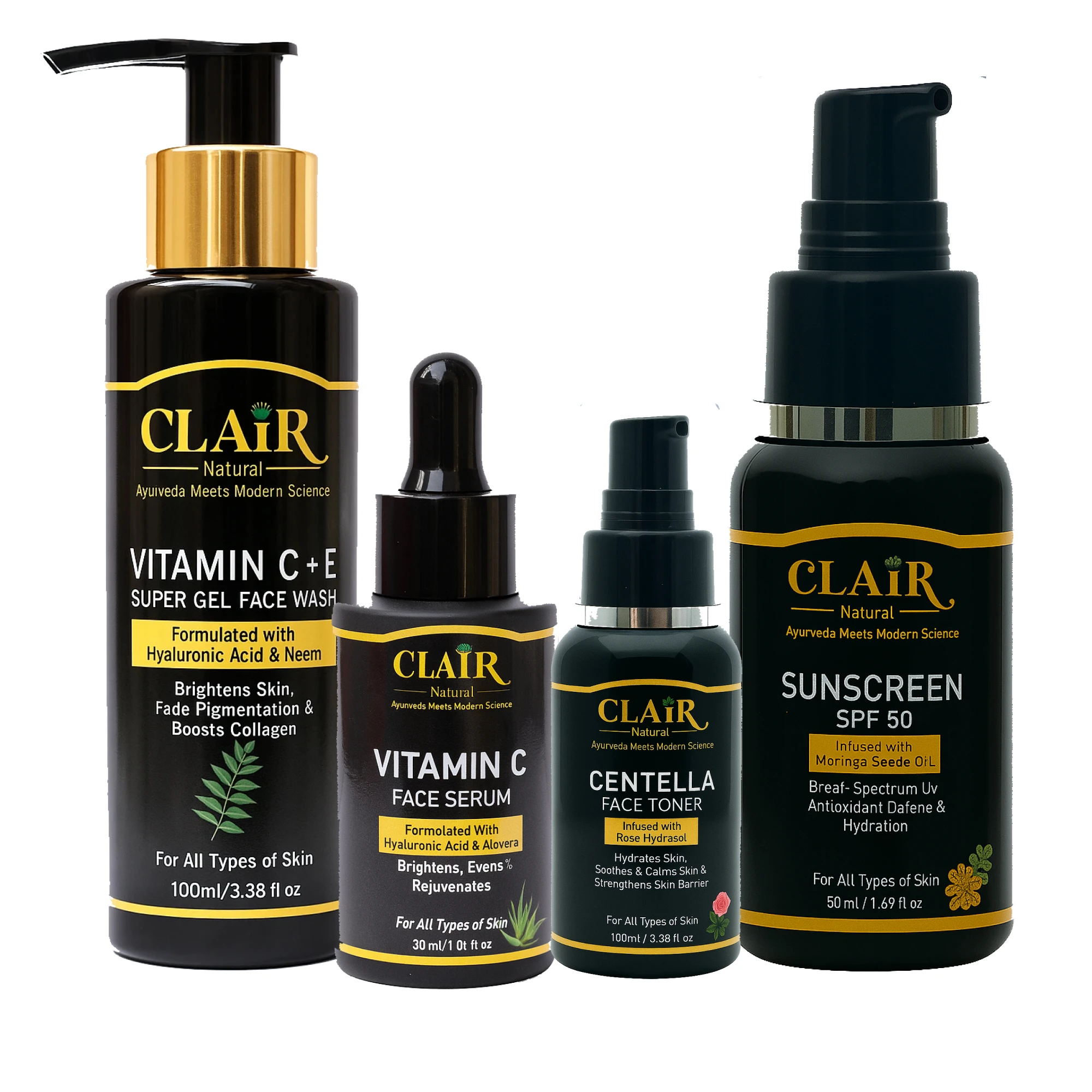
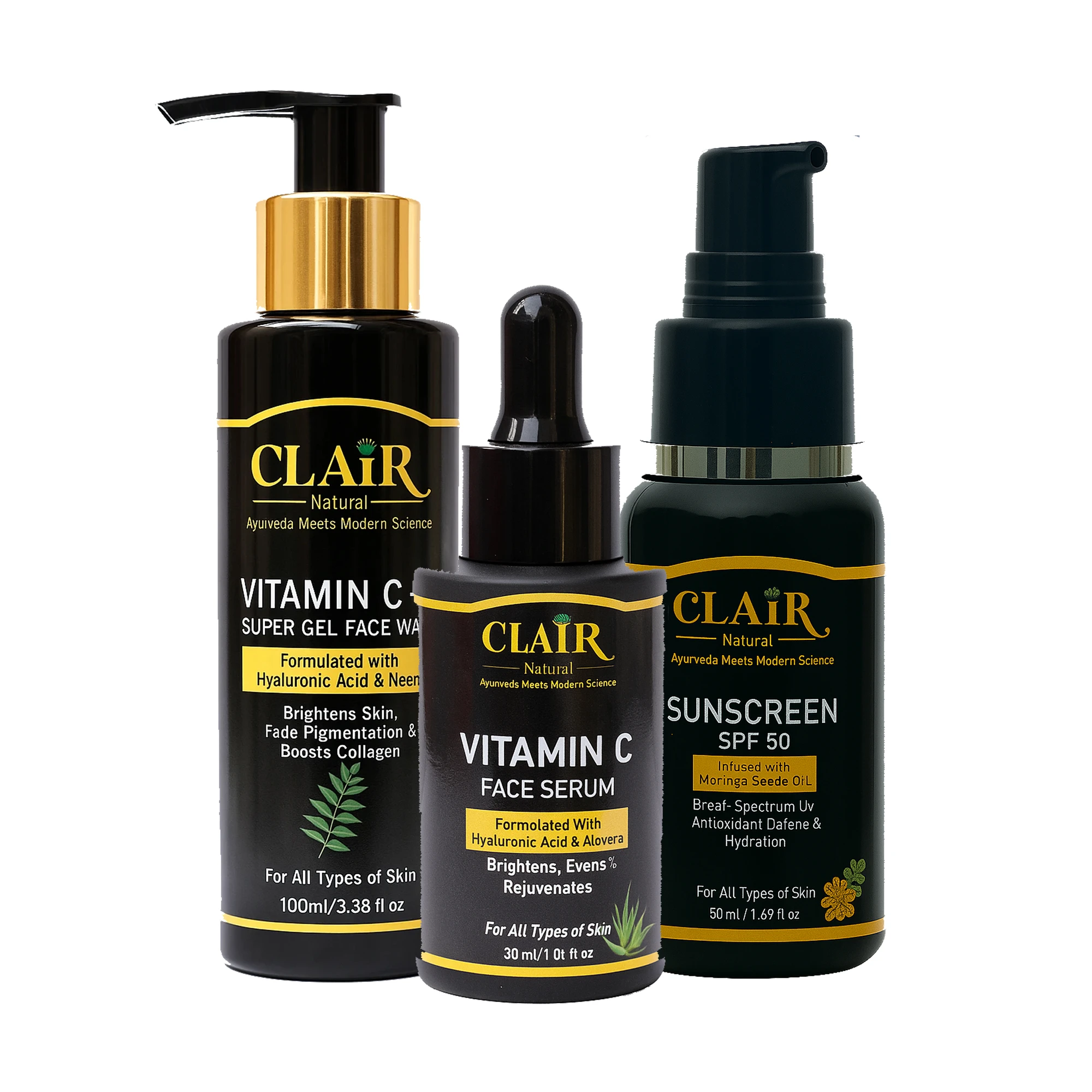
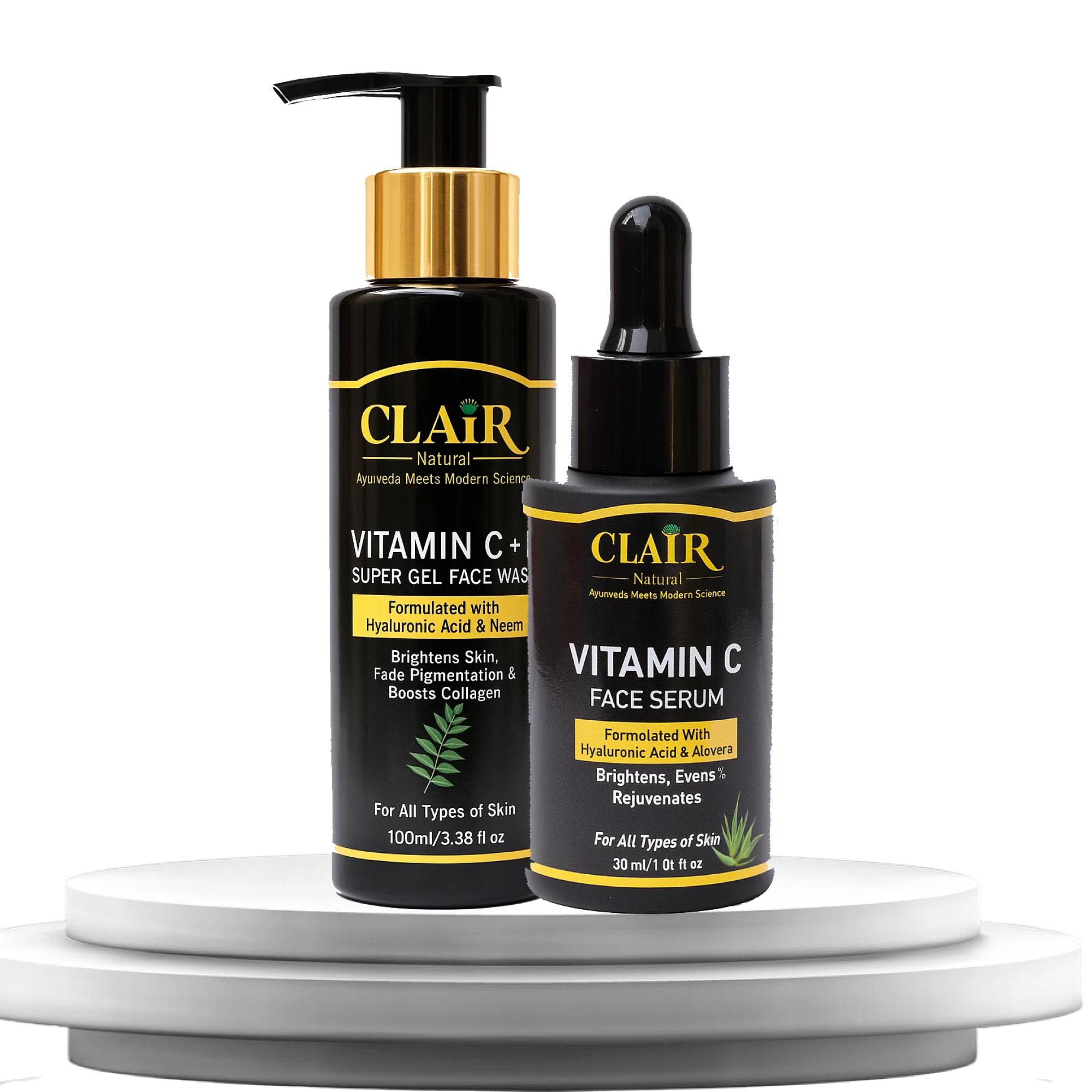
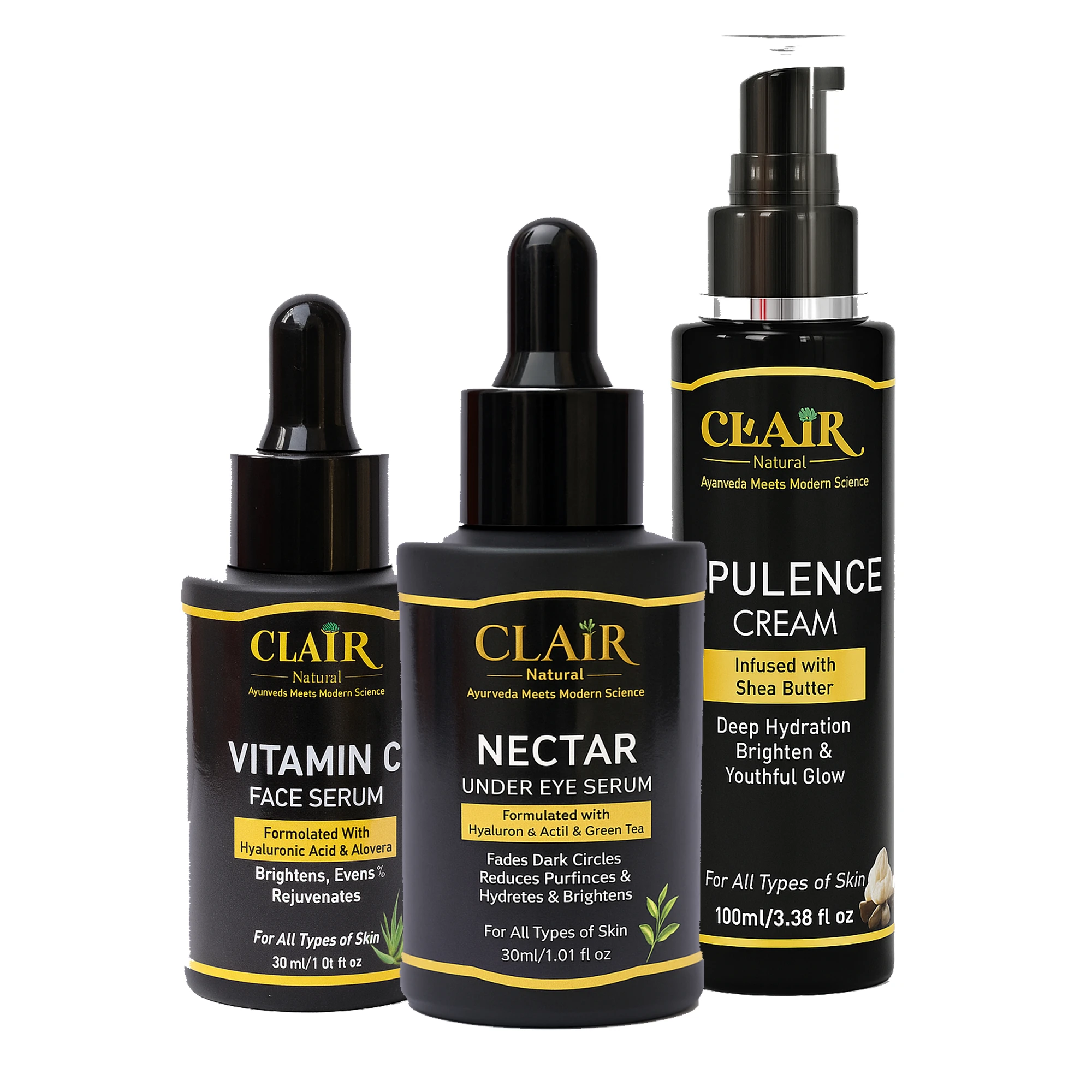
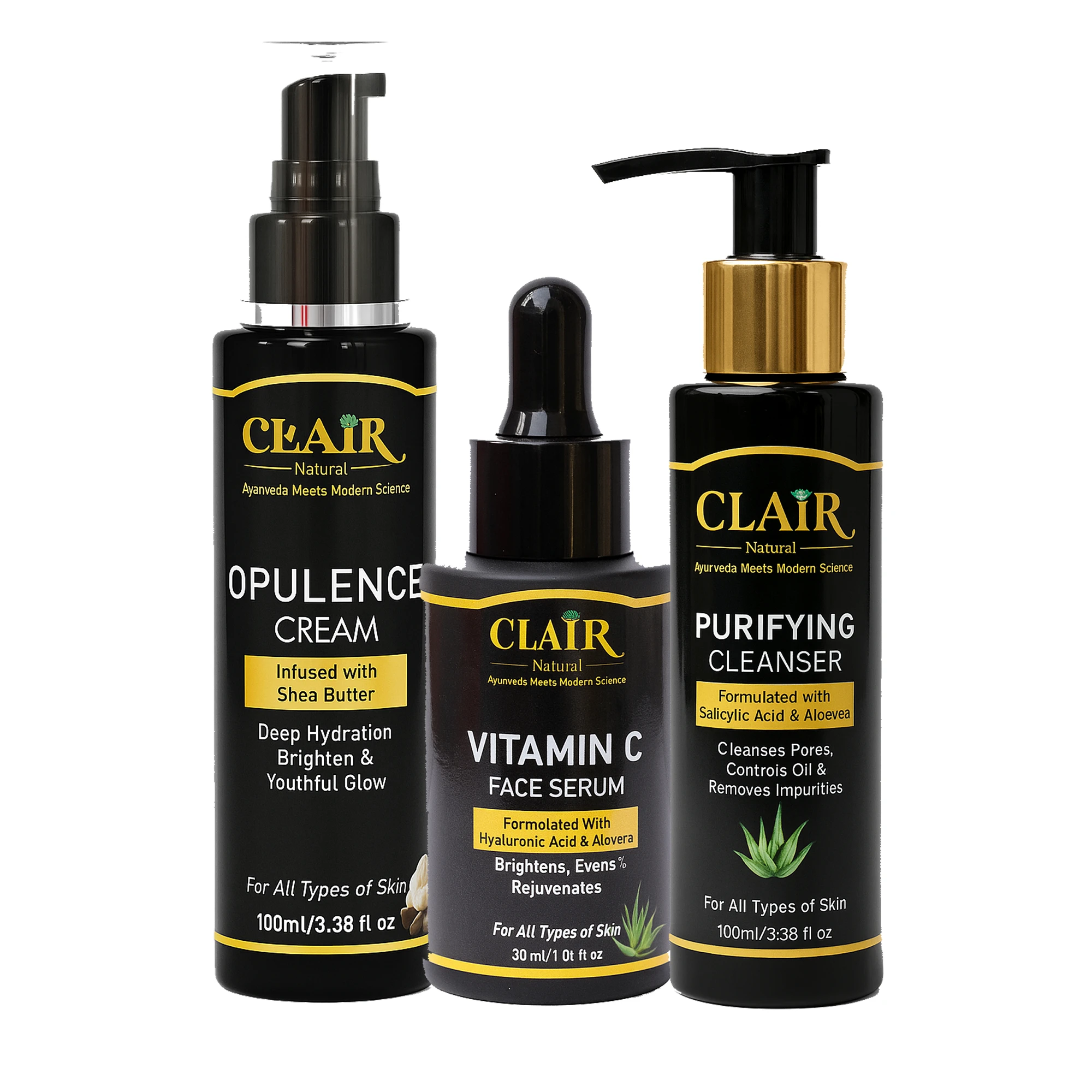
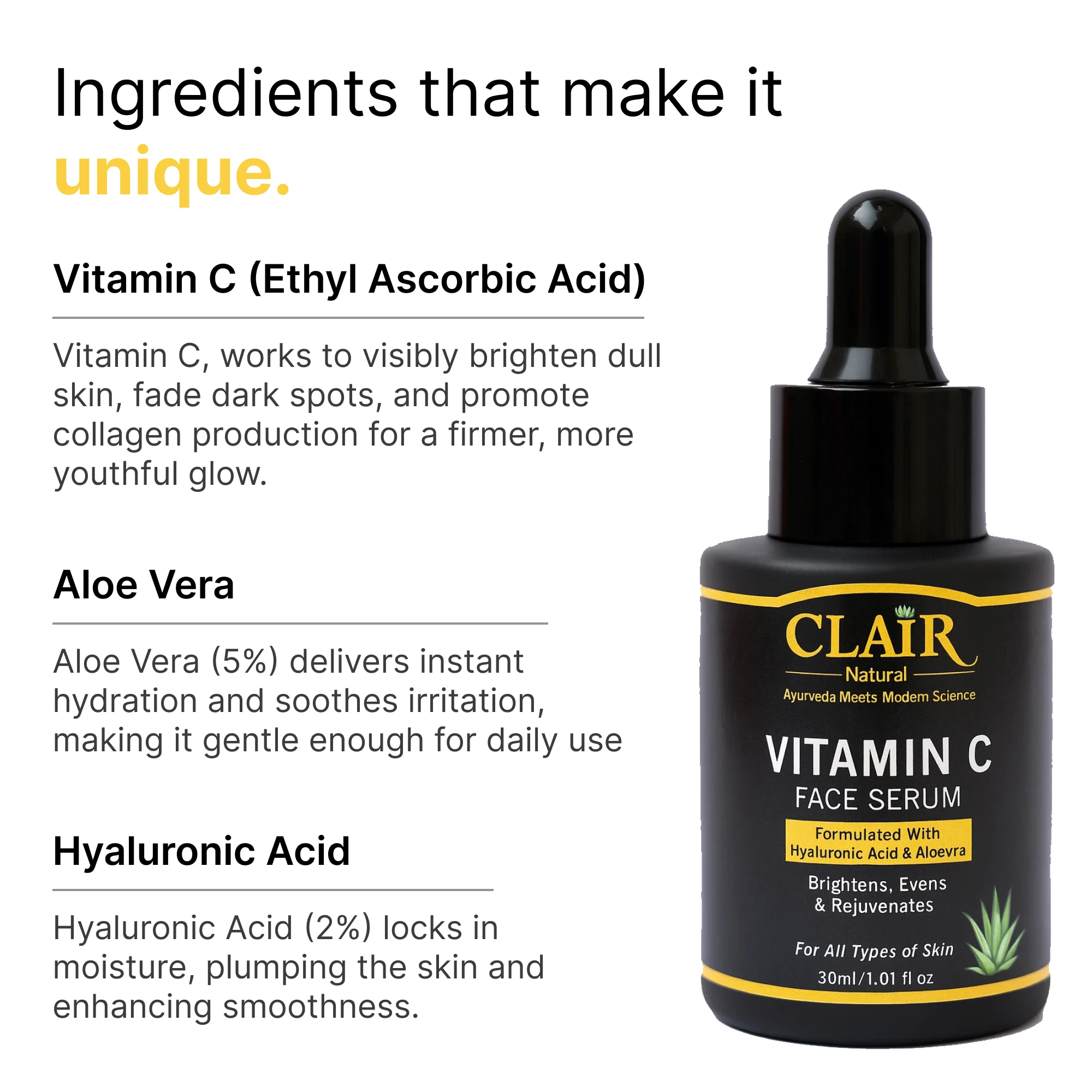
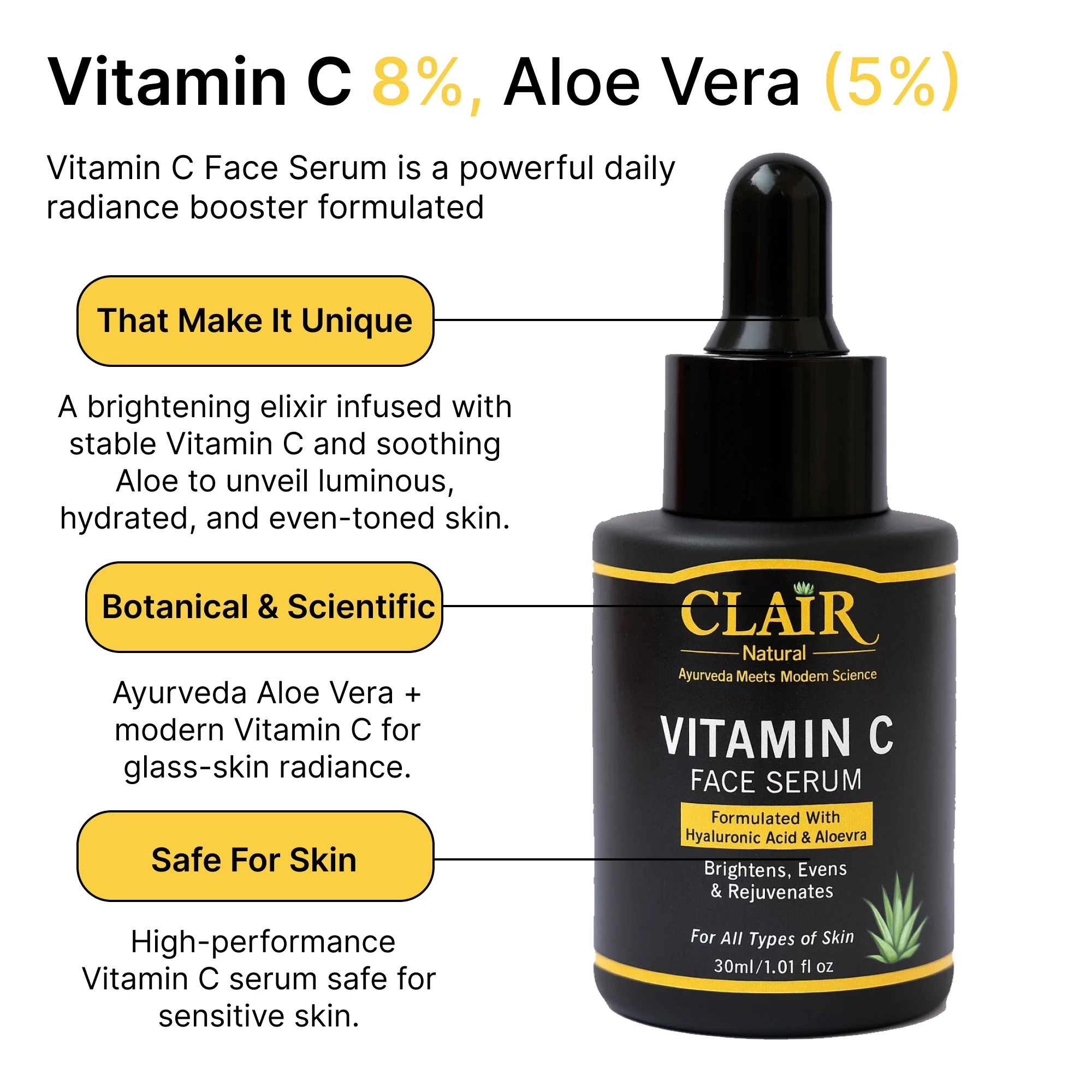
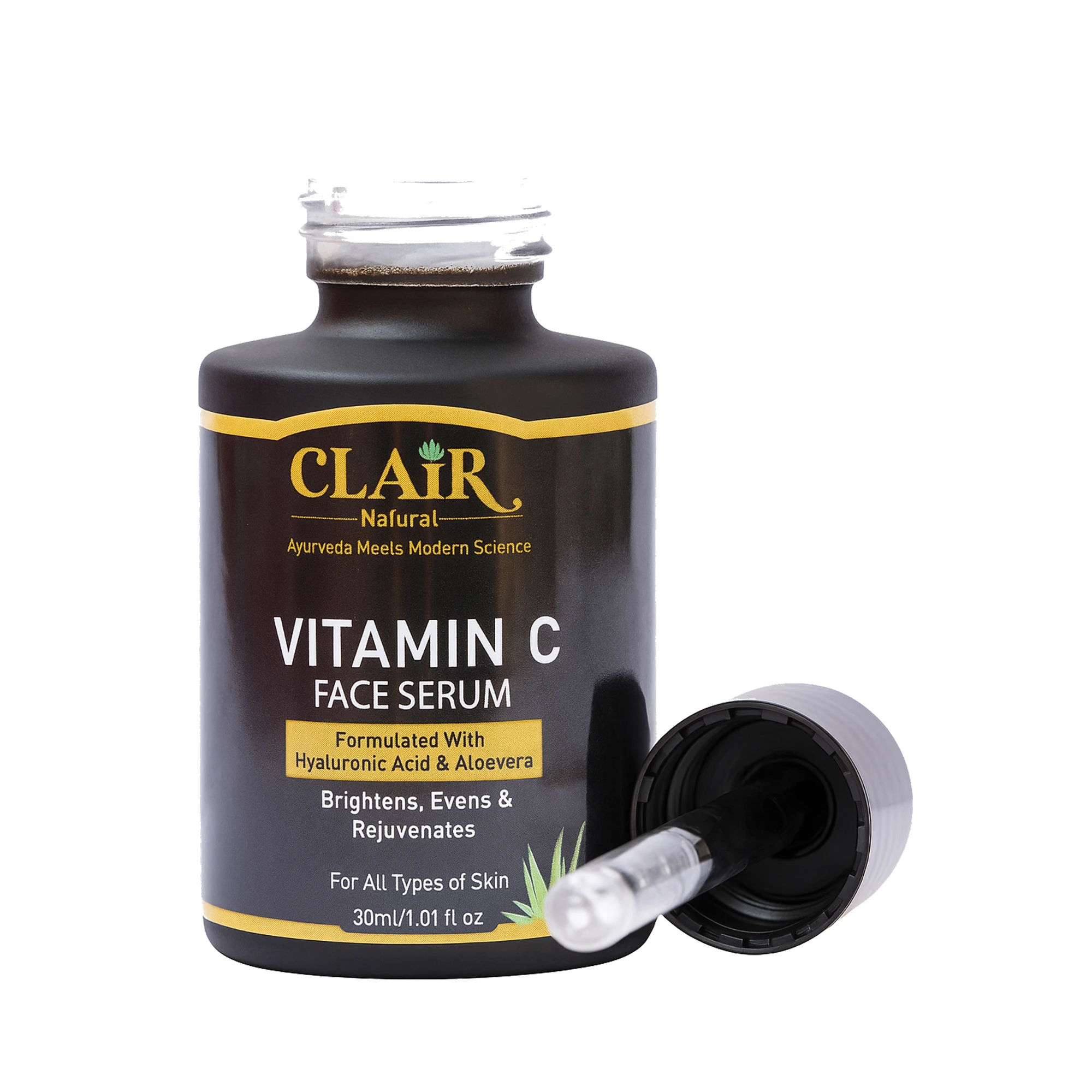
Clair Vitamin C Face Serum – The Brightening Breakthrough Your Skin Deserves Meet the Vitamin C serum that actually delivers on its promises. No oxidation. No irritation. Just pure, powerful brightening results backed by science. Why Clair's Vitamin C is Different: ✨ 8% Ethyl Ascorbic Acid (Stable Vitamin C) – Not your typical Vitamin C. Ethyl Ascorbic Acid is the most stable form available, meaning:
What 8% Vitamin C Does:
✨ 2% Hyaluronic Acid (Sodium Hyaluronate) – Deep hydration that enhances Vitamin C's benefits:
✨ 5% Aloe Vera Extract – Nature's soothing agent that makes this serum gentle enough for daily use:
✨ Centella Asiatica Extract – K-Beauty's healing superstar:
✨ Propanediol – Natural, sustainable humectant:
The Stable Vitamin C Advantage: Why Stability Matters: Traditional L-Ascorbic Acid serums oxidize quickly (turning brown/orange), losing potency within weeks. You're paying for ineffective product. Ethyl Ascorbic Acid remains stable, clear, and potent throughout its shelf life—every application is as effective as the first. The Result: Visibly brighter, more even-toned skin. Faded dark spots. Radiant glow. Smoother texture. Protected, healthy skin. Anti-aging benefits. All without irritation. Perfect For:
Visible Results Timeline: Week 1-2:
Week 3-4:
Week 6-8:
Week 12+:
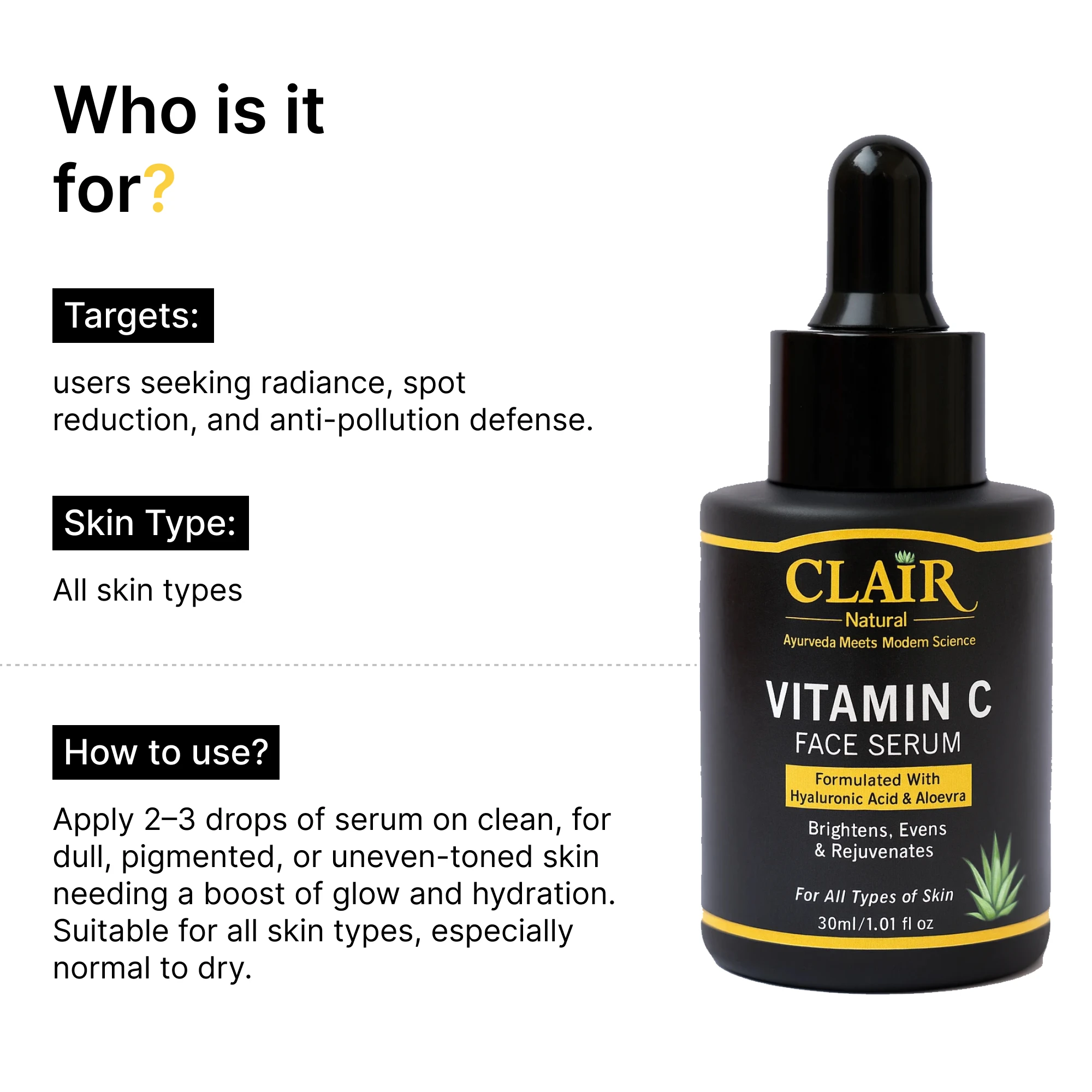
How to Use: AM Routine (Recommended):
PM Routine (Alternative): Can be used evening instead of morning, but daytime use provides antioxidant protection when you need it most. Pro Tips:
What to Expect:
|

No review yet!
Product ingredients |
||||||||||||||||||||||||||||||||||||||||||||||||||||||||||||||||||||||||||||||||||||||||||||||||||||||||||||||||||||||||
|---|---|---|---|---|---|---|---|---|---|---|---|---|---|---|---|---|---|---|---|---|---|---|---|---|---|---|---|---|---|---|---|---|---|---|---|---|---|---|---|---|---|---|---|---|---|---|---|---|---|---|---|---|---|---|---|---|---|---|---|---|---|---|---|---|---|---|---|---|---|---|---|---|---|---|---|---|---|---|---|---|---|---|---|---|---|---|---|---|---|---|---|---|---|---|---|---|---|---|---|---|---|---|---|---|---|---|---|---|---|---|---|---|---|---|---|---|---|---|---|---|
Table 1: Vitamin C Forms Comparison
Why Ethyl Ascorbic Acid Wins: Best balance of stability, penetration, gentleness, and proven efficacy. Table 2: Clair Vitamin C Serum vs. Competitors
Table 3: Active Ingredients Breakdown
|
How to use product |
|---|
|
MORNING (Essential):
EVENING (Optional but Recommended):
Application Tips✓ Start Slowly: If new to Vitamin C, begin with once daily (morning), then increase to twice daily ✓ Apply to Damp Skin: For enhanced absorption, apply to slightly damp skin ✓ Use Consistently: Daily use is key for maximum brightening results ✓ Don't Skip SPF: Vitamin C makes skin more photosensitive - sunscreen is non-negotiable ✓ Store Properly: Keep in cool, dark place (refrigeration optional but extends shelf life) Week 1-2: The Glow Phase✨ Immediately brighter, more radiant complexion ✨ Smoother skin texture ✨ Enhanced hydration ✨ Reduced dullness ✨ Fresh, healthy appearance Week 3-4: The Transformation Begins🌟 Dark spots start fading 🌟 More even skin tone 🌟 Improved skin clarity 🌟 Reduced redness 🌟 Firmer-feeling skin Week 5-8: Visible Improvement💫 Significant reduction in hyperpigmentation 💫 Noticeably brighter complexion 💫 Smoother fine lines 💫 Improved skin texture 💫 Enhanced radiance Week 8+: Complete Transformation⭐ Dramatic fading of dark spots ⭐ Even, luminous skin tone ⭐ Youthful, firm appearance ⭐ Healthy, resilient skin ⭐ Long-lasting results |
Product benefits |
|---|
|
The Science of Radiance: Clair Vitamin C Face Serum Not all Vitamin C serums are created equal. We've formulated with the most stable, effective form and surrounded it with synergistic ingredients for maximum results. The Vitamin C Question: Why Ethyl Ascorbic Acid? Vitamin C Forms Compared: L-Ascorbic Acid (Traditional):
Magnesium Ascorbyl Phosphate:
Sodium Ascorbyl Phosphate:
Ethyl Ascorbic Acid (Our Choice):
Why 8% Concentration:
Brightening Mechanism: How Vitamin C Brightens:
Anti-Aging Mechanism: Collagen Synthesis:
Free Radical Defense:
Hydration & Soothing System: Hyaluronic Acid (Sodium Hyaluronate) 2%:
Aloe Vera Extract 5%:
Barrier Support & Healing: Centella Asiatica Extract:
Delivery & Texture Optimization: Propanediol:
Acacia Senegal Gum & Xanthan Gum:
Stability & Preservation: Disodium EDTA:
Phenoxyethanol & Ethylhexylglycerin:
pH Optimization:
Sensory Experience: Natural Botanical Fragrance (Orange Blossom/Neroli):
|
Faq |
|---|
|
Q: What is Ethyl Ascorbic Acid and how is it different from regular Vitamin C? A: Ethyl Ascorbic Acid is a stable derivative of Vitamin C (L-Ascorbic Acid). Key differences:
Q: Is 8% Vitamin C strong enough to work? A: Yes! Clinical studies show efficacy at 5-10% for Ethyl Ascorbic Acid. 8% is the sweet spot: strong enough for visible results, gentle enough for daily use. Higher percentages don't significantly increase benefits but may increase irritation. 8% provides optimal results safely. Q: Will this serum oxidize and turn brown? A: No! This is THE key advantage of Ethyl Ascorbic Acid. L-Ascorbic Acid oxidizes rapidly (brown/orange = ineffective). Ethyl Ascorbic Acid remains stable and clear throughout its shelf life. Every application is as potent as the first. No wasted money on oxidized product. Q: How long until I see results? A: Timeline varies by concern:
Q: Can Vitamin C fade dark spots and hyperpigmentation? A: Yes, it's one of Vitamin C's primary benefits! It works by: inhibiting tyrosinase (enzyme that creates melanin), reducing melanin transfer to skin surface, breaking up existing melanin clusters, and preventing new pigmentation. Expect 50-70% improvement in dark spots with 8-12 weeks consistent use. Q: Does Vitamin C help with anti-aging? A: Absolutely! Vitamin C: stimulates collagen production (firmer skin), neutralizes free radicals (prevents damage), protects against photoaging, improves skin texture and elasticity, and reduces fine lines appearance. It's both preventive and corrective for aging. Q: Can I use Vitamin C if I have sensitive skin? A: Yes! Unlike harsh L-Ascorbic Acid formulas, our Ethyl Ascorbic Acid at pH 5.5-6.0 is gentle. Plus, 5% Aloe Vera and Centella soothe and protect. Start with once daily, increase as tolerated. If very sensitive, patch test first. Q: Will this irritate or sting my skin? A: It shouldn't. L-Ascorbic Acid serums (pH 2.5-3.5) often sting. Our pH 5.5-6.0 formula with soothing ingredients (Aloe, Centella, HA) is designed for comfort. If you experience stinging, your skin may be very sensitive—use every other day initially. About Usage & ApplicationQ: When should I use Vitamin C—morning or night? A: Morning is ideal for most people. Vitamin C provides antioxidant protection against daytime environmental damage (UV, pollution). Plus, it works synergistically with sunscreen for enhanced protection. However, evening use is also beneficial if morning routine is too full. Q: How do I incorporate this into my routine? A: AM Routine: Cleanser → Toner (optional) → Vitamin C Serum → Moisturizer → SPF 50+ (MUST!) PM Alternative: Cleanser → Toner → Vitamin C Serum → Other treatments → Moisturizer Apply to clean, dry skin. 2-3 drops for entire face and neck. Q: How much product should I use? A: 2-3 drops (about half a dropper) for entire face and neck. A little goes a long way with this concentrated formula. 30ml bottle lasts approximately 3-4 months with daily use. Q: Can I use this with retinol? A: Yes! Best practice: Vitamin C in AM, Retinol in PM. This separates the actives, reducing irritation risk while maximizing benefits. If you prefer using them together, apply Vitamin C first, wait 10-15 minutes, then retinol. Start slowly if new to both. Q: Can I use this with niacinamide? A: Yes! The old myth about Vitamin C and niacinamide conflict has been debunked. They work well together. Our pH (5.5-6.0) is perfect for both. You can layer them or use in different routines (Vitamin C AM, niacinamide PM). Q: Can I use this with AHA/BHA acids? A: Yes, with caution. Best approach: Use acids PM, Vitamin C AM. If using in same routine, apply acid first (lower pH), wait 10-15 minutes, then Vitamin C. Watch for over-exfoliation or irritation. Start slowly. Q: Do I still need sunscreen if I use Vitamin C? A: YES, ABSOLUTELY! Vitamin C enhances sun protection but doesn't replace it. Always use SPF 50+ broad-spectrum in morning. Vitamin C + SPF together provide superior protection vs either alone. Non-negotiable for preventing dark spots and aging. Q: Can I apply makeup over this? A: Yes! Allow 1-2 minutes for complete absorption, then apply moisturizer and SPF. Once those absorb, proceed with makeup. The lightweight formula won't pill or interfere with makeup application. Q: Should I refrigerate this serum? A: Not necessary, though some users enjoy the cooling sensation. Unlike L-Ascorbic Acid (which benefits from refrigeration), Ethyl Ascorbic Acid is stable at room temperature. Store in cool, dry place away from direct sunlight. Compatibility & ConcernsQ: Can I use this if I'm pregnant or breastfeeding? A: Vitamin C (including Ethyl Ascorbic Acid) is generally considered safe during pregnancy and breastfeeding. However, always consult your healthcare provider before starting new skincare products during pregnancy or nursing. Q: Will this work on melasma? A: Vitamin C can help lighten melasma by inhibiting melanin production and providing antioxidant protection. However, melasma is complex and often requires comprehensive treatment (prescription ingredients, professional treatments, strict SPF). Use this as part of melasma management, not sole treatment. Consult dermatologist. Q: Can teenagers use this? A: Yes! Vitamin C is safe and beneficial for teen skin dealing with post-acne marks, dullness, or just establishing good preventive habits. The gentle formula is appropriate for young skin. Q: I have acne-prone skin. Will this cause breakouts? A: No. The water-based, non-comedogenic formula won't clog pores. In fact, Vitamin C's anti-inflammatory and antioxidant properties can help with acne and post-acne marks. The lightweight texture is ideal for oily, acne-prone skin. |